

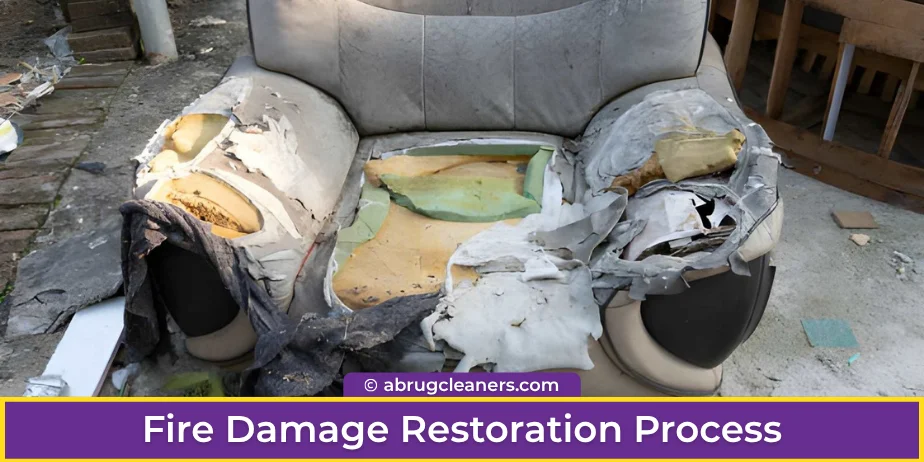
Fire Damage Restoration Process For Individual Care: A Comprehensive Approach For Residents
When there is a fire in your home or business, the fire itself isn't the only awful thing. Later damage is also bad. When you start the fire damage restoration process, you have to deal with a variety of issues. The structure deteriorates, soot permeates every corner, metal corroding, and the hoses meant to extinguish the flames contaminate the water. Fires can be sparked by malfunctioning heating systems, careless cooking, overloaded circuits, frayed wiring, and unattended candles. Each of these present its own set of dangers, yet all demand a professional, methodical response. Without fire restoration procedures, the building could be rendered uninhabitable for months, plagued by toxic off-gassing, persistent odors, and the potential for infection. This guide provides all the information you need in this process.
How To Handle Smoke Damage Restoration Process?
Before you start the fire damage restoration process, consider the effects of smoke damage. Smoke is made up of acids, carbon particles, and items that have been burned incompletely. It leaves clear marks that are easy to see:
-
Discoloration: The walls and ceilings have stripes of yellow, gray, or black that aren't even. This is especially true near the vents. Stains on stone surfaces are often permanent, and plastic materials often appear chalky.
-
Changes in Texture: Acidic residues make glass feel rough. There are holes in the metal hardware. Fabrics get hard and rip easily.
-
Persistent Odors: The presence of strong, unpleasant smells, which become more noticeable when the air is humid, indicates that small amounts of smoke are still present in the environment.
-
Underlayment Damage: If you touch the wall studs and the subflooring, you can see red marks or smell smoke. This indicates a failure in the underlayment, which then allows the smoke to escape.
-
Buckling or Warping: Rapid cooling of the water used to put out a fire can cause the materials to warp or bend.
What is Fire Damage Restoration Complementary Checklist?
This is the step-by-step protocol for evaluating a fire damage restoration process after a fire, cleaning it, restoring it, and getting rid of the stench. Cleaning up is just one part of restoration. It also fixes three basic kinds of problem:
-
Primary Fire Damage: Fire can burn humans, char them, or change their shape because of intensity.
-
Secondary Fire Damage: Then comes when smoke and other items spread far away from where the fire started.
-
Tertiary Water Damage: Hoses and fire suppression systems can do more damage than third degree burns.
Professionals follow the ANSI/IICRC S-500 guidelines when they fix things. These guidelines make sure that people don't miss concealed threats like smoke entering into wall cavities and acidic soot eating away at wiring.
What Are Primary Fire Damage Restoration Steps For Households?
A precise list of what has to be done during the fire damage restoration process can help you stay on track. These are the major tools that specialists use to fix things that were broken by a fire.
Step 1: Ask For Help And Inspection
A crew utilizes thermal imaging and moisture meters to locate areas of the building that are likely to fall down or let water in soon.
Step 2: Put Up Boards And Tarps On The Roof
If the fire gets through the roof or windows, workers plaster the holes with plywood and tarps to keep thieves and bad weather out.
Step 3: Drying Process
For businesses, air movers and dehumidifiers may lower the humidity level in framing to less than 15%. If this doesn't work, the fungus we talked about before will start to grow.
Step 4: Get Rid Of The Soot And Smoke
Technicians use HEPA vacuums and dry chemical sponges to pick up loose soot. After that, they use water and a few kinds of soap to get rid of the acids.
Step 5: Getting Rid Of The Bad Smell
Thermal fogging and ozone generators break up the smoke molecules. In the worst instances, hydroxyl generators can work for 48 hours.
Step 6: Cleaning and Sanitizing
Cleaning any surfaces that can be cleaned using chemicals that kill microorganisms. Clean everything you own, based on what it's composed of.
Step 7: Repairing And Rebuilding
The last phase could be anything from correcting little items, like changing the drywall, to significant items, like putting in new studs and subflooring.
When To Seek a Professional Help
You should call a professional immediately if any of these things are true:
Structural Compromise:
The building has issues like doors that won't close, walls that are falling down, and ceilings that are drooping.
Electrical Hazards:
When soot and water come into contact with each other, they can make things conductive. This can cause difficulties with electricity, such as outlet covers that melt and breakers that trip.
Toxic Residues:
Burning plastics or synthetic carpets releases chemicals that might cause cancer. A HEPA vacuum should be used by experts to clean.
Large Affected Area:
If the smell of smoke wafts through three or more rooms, a fire has likely occurred in at least one of them.
High Value Item:
You should be very careful with items that are significant to you, including paperwork, technology, and art.
Insurance Requirements:
Most insurance will only pay for repairs that a professional has made.
Health Symptoms:
You might feel unwell if you have a cough that won't go away, red and itchy eyes, or dizziness that lasts for days.Protecting yourself and your property from fire damage is paramount. Contact AB Rug Cleaners immediately for a thorough fire damage restoration process and prompt action. It's not just about repairs, it's about safeguarding your home and your sense of security.