

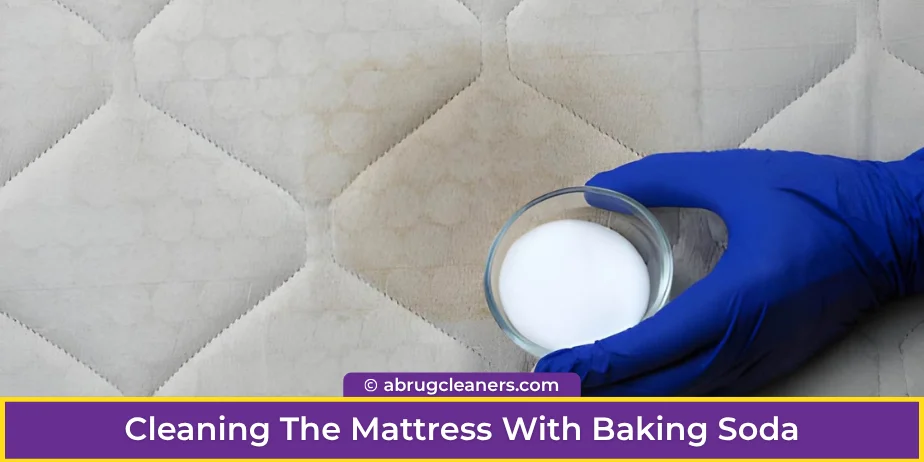
Cleaning The Mattress With Baking Soda And Home Remedies: The Best Homeowner Guide
Every mattress hates moisture, but it doesn't make a sound. Mold, mildew, dust mites, and bacteria can all grow in locations where moisture is retained, including when you sweat at night, spill something by mistake, or have too much humidity or not enough air flow. Over time, this hidden moisture can make the materials in the mattress change color, smell terrible, and even break down. That's when cleaning the mattress with baking soda works best.
Baking soda naturally absorbs water, neutralizes acids, and removes stains without using strong chemicals. But you can't just sprinkle it and vacuum it up, you have to utilize it correctly. If you don't utilize the solutions for how to get stains out of mattress with baking soda, it can leave behind residue or not get rid of deep-seated fungus growth. This means that a simple cleaning attempt could be a health concern that keeps coming back.
How To Use Baking Soda For Mattress Cleaning?
You can tell and feel the change immediately when you follow the methods for how to clean a mattress using baking soda the appropriate manner. The baking soda itself appears like a very fine, white powder, like talcum powder but with a little more texture. When you put it on evenly, it forms a thin, equal covering on the mattress that looks like snow. You might see modest changes while it sits and works (typically for a few hours). For instance, the powder can turn a little darker in places where moisture or oils are being sucked out, leaving behind subtle gray or yellow blotches. When you touch fresh baking soda, it feels dry and smooth. When it gets wet, it might turn into small, hard beads or flakes.
Another sign that something is not right is when the smell changes from musty, sour, or ammonia-like to clean and neutralize. If you find enormous clumps, dark stains that won't go away, or a sticky residue after vacuuming, it signifies that either there is too much moisture or you need to clean more completely. If the mattress fabric becomes overly saturated and isn't addressed promptly after cleaning the mattress with baking soda, it can warp or become misshapen, potentially damaging the underlying structure. Always inspect for these signs before and after cleaning.
How to Use Baking Soda to Clean a Mattress
The first thing you need to do to learn how to clean a mattress with baking soda is to identify when your mattress actually needs it. Find stains that are yellowish from perspiration, brownish from biological debris, or grayish from mold. If you feel any wetness, cold spots, or stickiness on the surface, that suggests there is still water there, look for damage to the underlayment. If you press down and feel ripples, bumps, or a crumbly feeling, this implies that moisture is getting in and ruining the material. After you observe these indicators, look for a nice baking soda that doesn't smell (don't use baking powder because it contains acids and cornstarch in it). To truly find the method, you need to track down reliable, step-by-step instructions.
To attack fungi, you'll need a vacuum with a HEPA filter and an upholstery attachment, a fine-mesh sieve to help you sprinkle evenly, and optional essential oils like tea tree or lavender. Before cleaning the mattress with baking soda, don't use steam cleaners or liquid cleaners because they add extra moisture. To do it right, you should take off all the bedding, vacuum up any loose dirt, mix baking soda and water into a paste, let it dry, then sprinkle baking soda all over the place and wait at least 8 hours before vacuuming again. Do this once a month if you reside in a humid climate.
How Being Around Mold Affects Your Health
Mold can grow if the methods for cleaning the mattress with baking soda are not followed properly and lead to a lot of health problems. The most common respiratory disorders include chronic coughing, wheezing, asthma episodes, and sinus congestion. If you touch soiled bedding, you can experience rashes, hives, or itching on your skin. When people sleep in the same place for a long period, their eyes often get red, watery, and burn. Finally, persons who sleep on moldy mattresses generally complain they are fatigued, can't think clearly, and have headaches. Their immune systems have to work especially hard to fight against mycotoxins.
When to Ask an Expert for Help
You can apply different methods for how to clean your mattress with baking soda for routine maintenance and tiny stains, but for some situations, you need to call in a pro. Call a certified mattress cleaning or mold remediation expert if:
-
Soaked-in Stains: The contamination is caused by sewage or biological waste (like flooding, vomit, or urine that has soaked through)
-
Large Area: The area is bigger than 10 square feet (about a third of a queen mattress)
-
Recurring Stains: Mold or stains keep coming back even after you treat them with baking soda
-
Health Problems: Someone in your house has health problems (like breathing problems, skin rashes, eye irritation, or fatigue) that get better when they are away from home.
Protect your family's well-being while cleaning the mattress with baking soda. Contact AB Rug Cleaners today to arrange an inspection.
Frequently Asked Questions
Yes, if you leave baking soda out for 8 to 24 hours, it will be much better at soaking up smells, oils, and moisture. The longer you leave baking soda on the mattress, the better it will clean.
Baking soda is good for getting rid of new stains, but for stains that have already set, you need a paste. Mix a little quantity of cold water with baking soda to produce a thick paste.
Clean mattresses every three months for most households. If you have pets, suffer from allergies, experience night sweats, or reside in a particularly humid environment, cleaning the mattress with baking soda can be the most useful method.
Indeed, baking soda is safe for all mattress types, it won't scratch or alter their chemical composition. However, avoid excessive moisture with memory foam. Only dry sprinkling and vacuuming should be used on memory foam.
Yes, of course. Add 10 to 15 drops of tea tree, lavender, or eucalyptus oil to each cup of baking soda. Mix well before sprinkling. Tea tree oil's antifungal properties are a boon when tackling stains on a mattress.